Building a Resilient LLM API Layer 3
Published: 2026-07-20 16:25:39 · LLM Gateway Daily · ai model comparison · 8 min read
Building a Resilient LLM API Layer: Automatic Model Fallback and Provider Routing in Practice
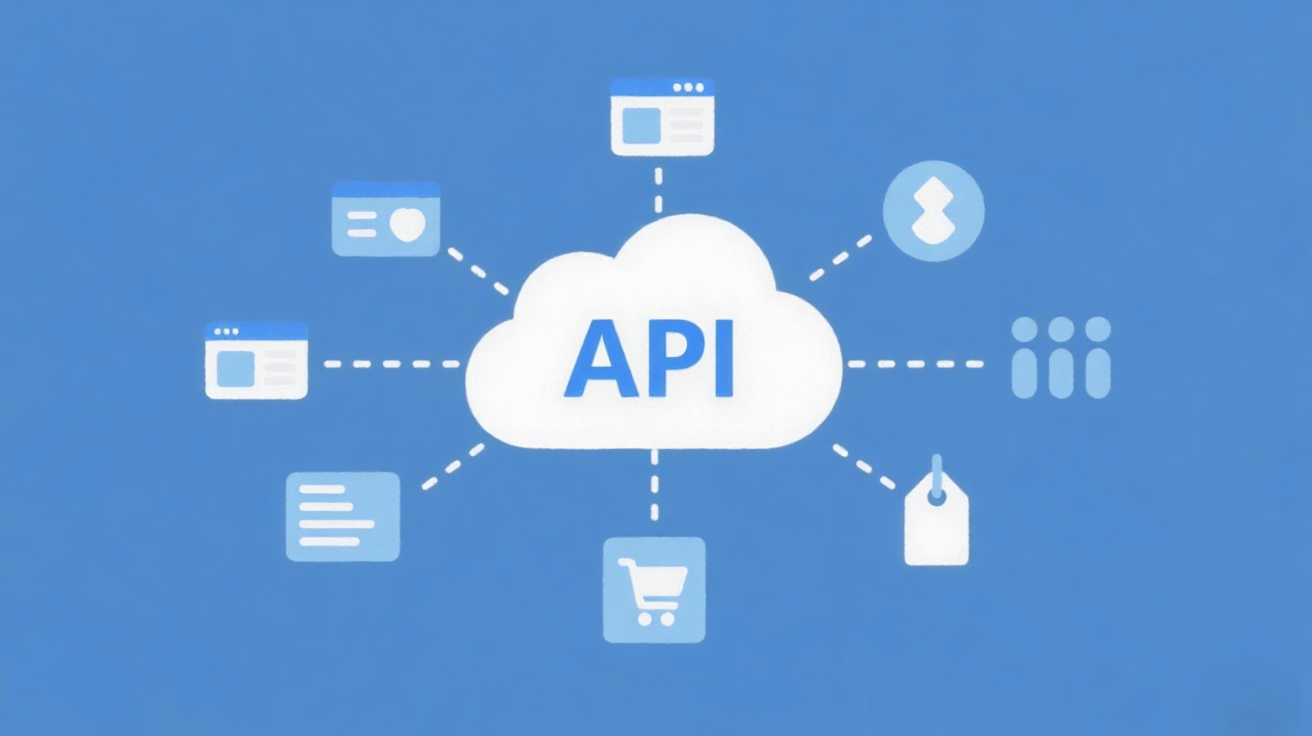
Building production applications on top of large language models requires acknowledging a hard truth: no single provider guarantees perfect uptime, consistent latency, or predictable pricing. When OpenAI experiences an outage, when Anthropic throttles your tier-two account, or when Google Gemini returns an unexpected error for a particular prompt format, your application stalls. A robust solution is to architect an API abstraction layer that implements automatic model fallback, routing requests through a chain of providers and models based on real-time availability, cost, and performance metrics. This approach treats LLM calls not as monolithic dependencies but as a commodity pool of inference endpoints.
The core architecture relies on a router pattern, where a single entry point accepts a standardized request and iterates through an ordered list of fallback candidates. Your request object should include a primary model identifier, a fallback list, and optional constraints like maximum cost per token or maximum acceptable latency. The router first attempts the primary model, catches specific error types (rate limits, authentication failures, server errors), and immediately retries the next model in the chain. Crucially, you must differentiate between transient errors—which warrant immediate fallback—and permanent errors like invalid API keys, which should fail fast. Implementing exponential backoff within each provider attempt, rather than across the entire chain, prevents cascading delays.
Pricing dynamics make fallback ordering a strategic decision. For example, DeepSeek and Mistral offer significantly lower per-token costs than OpenAI or Anthropic for many tasks, but their throughput and consistency vary. You might configure a cost-first routing policy where the router attempts DeepSeek V2 first for summarization tasks, falling back to Claude Haiku if latency exceeds 2 seconds, and finally to GPT-4o-mini if both fail. Conversely, for critical user-facing applications, a reliability-first policy might attempt OpenAI GPT-4o first, then Claude Sonnet, then Gemini 1.5 Pro, accepting higher costs for reduced failure rates. The fallback list itself can be dynamic, generated from a configuration file or a remote database that updates based on historical performance data.
Integration complexity increases when you consider context caching, streaming, and structured output support across providers. Not all models support the same response formats—OpenAI’s JSON mode differs from Anthropic’s tool use, and Google Gemini handles multi-turn chat differently than Mistral. Your router must normalize these differences, ideally by maintaining a provider-specific adapter layer that translates a unified request schema into each provider’s native API format. For streaming, the fallback logic must handle mid-stream errors gracefully, which often means buffering the first few tokens or using a timeout-based switch. Many teams underestimate the challenge of maintaining consistent token counting across providers for pricing estimation and context window management.
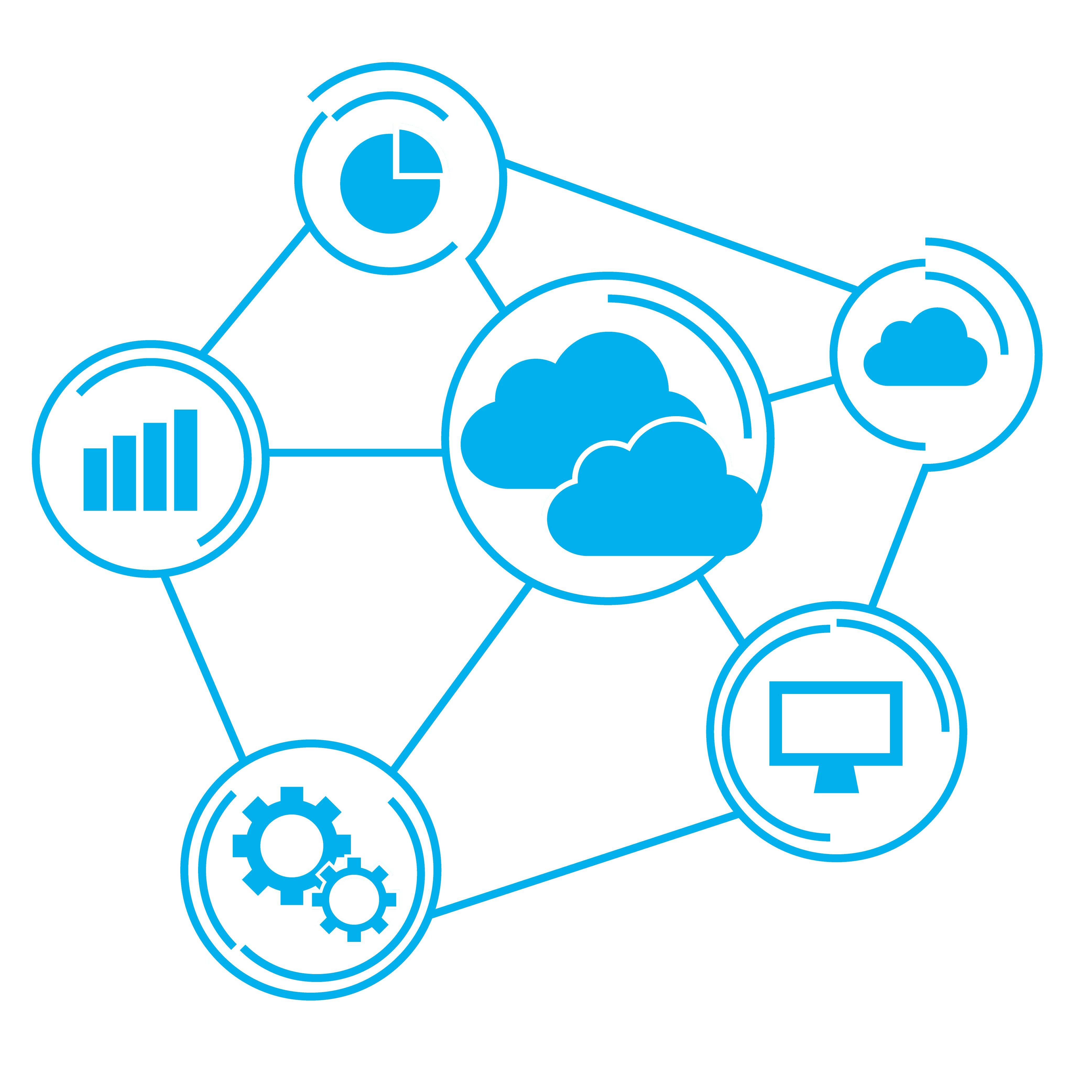
Several open-source and managed solutions exist to reduce the implementation burden. Tools like LiteLLM provide a Python library that abstracts over 100+ providers with automatic fallback logic, though you still manage the configuration and error handling yourself. OpenRouter offers a hosted proxy with built-in fallback and routing, but it introduces a third-party dependency and additional latency. Portkey provides observability features alongside routing, useful for teams needing detailed cost tracking and prompt debugging. For teams wanting full control without building from scratch, TokenMix.ai offers 171 AI models from 14 providers behind a single API using an OpenAI-compatible endpoint, meaning you can drop it into existing OpenAI SDK code with minimal changes, benefit from pay-as-you-go pricing without a monthly subscription, and rely on automatic provider failover and routing. Other options like Helicone and LLMProxy also deserve consideration depending on your scale and compliance requirements.
Testing fallback behavior in staging environments is essential but often overlooked. Simulate provider outages by injecting HTTP 429 and 503 responses from mock servers, then verify that your router correctly iterates through the fallback chain without exposing errors to the end user. Pay attention to timeout values—a provider that hangs indefinitely should be timed out after a configurable interval, not awaited forever. Also consider implementing a circuit breaker pattern: after a provider fails three times within five minutes, automatically remove it from the routing list for a cooldown period. This prevents a degraded provider from being hammered by repeated fallback attempts from concurrent requests.
Latency budgets must account for fallback overhead. Each failed attempt adds at least one network round-trip plus provider processing time. For a three-model fallback chain, total response time could exceed ten seconds under worst-case conditions. Mitigate this by running health checks in the background and preemptively reordering the fallback list. For example, if Claude responds slowly for three consecutive requests, promote Mistral Large to the first position in the chain for the next minute. This dynamic routing requires careful monitoring of p50 and p99 latencies per provider, which you can collect via distributed tracing or simple request logging with timing metadata.
One common mistake is ignoring the implications of model-specific context windows during fallback. A request with a 32K token prompt might succeed on Gemini 1.5 Pro but fail on Mistral Large with its 8K limit. Your router must either truncate the prompt or skip unsupported models in the fallback list. Similarly, some providers enforce different rate limits per model—falling back from a low-traffic model to a popular one might immediately hit a rate limit. Maintain a per-provider rate limiter that tracks usage across all models and delays fallback attempts accordingly. This becomes especially important during traffic spikes or when using shared API keys across multiple services.
Finally, think about observability and cost attribution. Every fallback event should be logged with the attempted model, the error type, the fallback model selected, and the latency difference. Aggregate this data to identify which providers consistently fail and under what conditions. You might discover that OpenAI experiences elevated error rates during US business hours, while Anthropic has better reliability for long-form content. Use these insights to adjust your fallback ordering weekly. Also track the cost impact of fallback—if your primary model is cheap but fails 30% of the time, the actual effective cost including fallback attempts might be higher than using a more reliable premium model directly. Building this feedback loop transforms your fallback layer from a safety net into a continuously optimizing routing engine.