Comparing AI Models in 2026
Published: 2026-07-17 07:23:48 · LLM Gateway Daily · ollama openai compatible api setup · 8 min read
Comparing AI Models in 2026: A Practical Developer’s Checklist for Production Workloads
The landscape of large language models has fractured dramatically by early 2026. Developers no longer compare two or three frontier models; they now navigate a sprawling ecosystem spanning OpenAI’s o5 series, Anthropic’s Claude 4 Opus, Google Gemini Ultra 2.0, DeepSeek-R2, Qwen 3.5, Mistral Large 3, and a dozen specialized fine-tunes from providers like Cohere and AI21. The days of assuming one model dominates all tasks are over. Your application’s latency budget, cost constraints, domain specificity, and regulatory requirements will dictate which model wins for a given request. The central challenge has shifted from “which model is best” to “how do I systematically compare and route between models at runtime without drowning in integration complexity.”
Start your comparison by defining strict evaluation criteria before you run a single inference. Do not compare models on vague notions of “intelligence.” Instead, benchmark against your production data: measure token-level accuracy on your specific task, whether that’s structured data extraction, code generation, or customer support classification. Use a standardized test set of at least 500 examples that reflects real user inputs, including edge cases like ambiguous phrasing and multi-turn context windows. For latency-sensitive applications like real-time chat or agentic loops, establish a maximum acceptable time-to-first-token and total generation time under concurrent load. Cost analysis must extend beyond per-token pricing to include caching overhead, retry penalties, and the hidden expense of prompt engineering time when switching models mid-project.
Pricing dynamics in 2026 have grown opaque and volatile. OpenAI and Anthropic now offer tiered usage discounts that trigger at unpredictable thresholds, while DeepSeek and Qwen compete aggressively on input token costs but charge premium rates for long-context generations. Mistral has introduced variable pricing based on inference time, rewarding efficient prompts. You must build a cost-tracking layer that aggregates per-request spend across providers, not just total monthly bills, because a model that appears cheaper per token may require three times more retries or longer prompts to achieve acceptable quality. Factor in the cost of prompt compression and caching strategies—some providers like Google Gemini offer free prompt caching for repeated system instructions, while others charge for every cached hit. A model that is 20% cheaper on paper can cost 40% more in practice if your workload has high cache-miss rates.
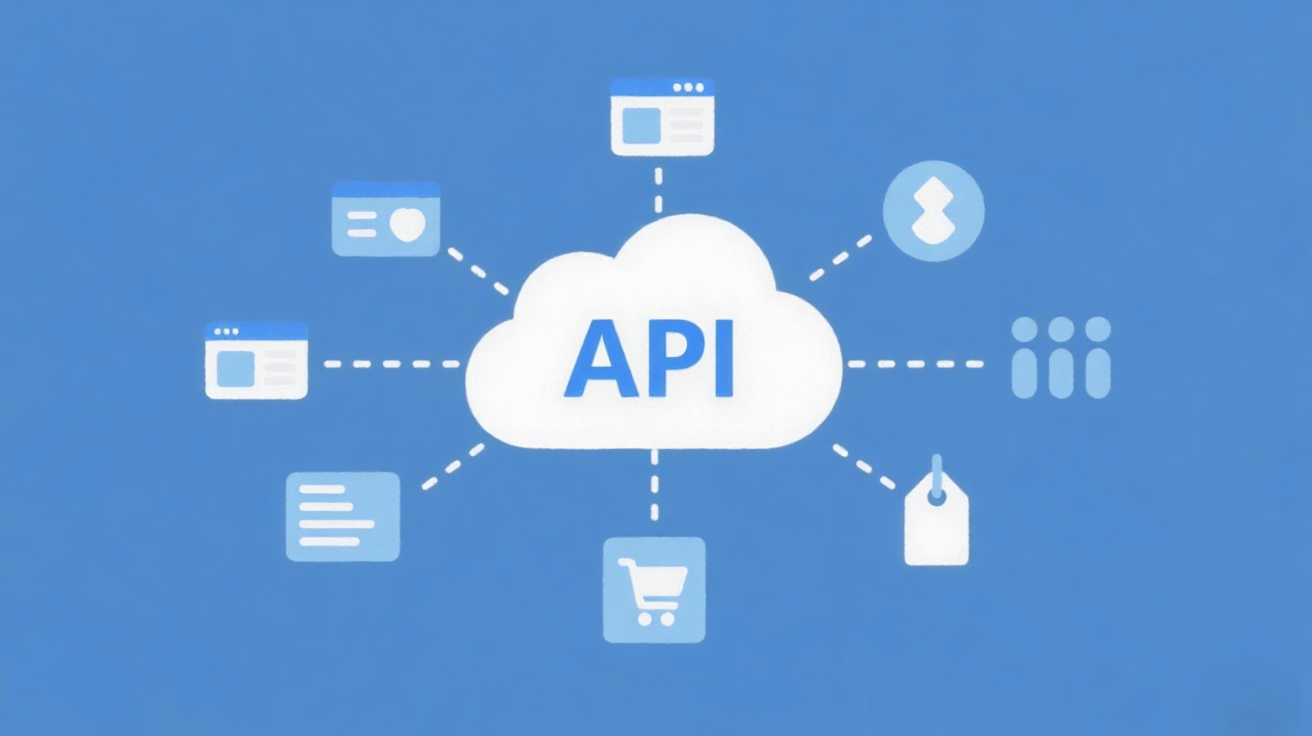
When evaluating integration complexity, the key decision is whether to adopt a unified API gateway or maintain direct provider SDKs. Direct SDKs give you fine-grained control over model parameters and streaming behavior, but they lock you into each provider’s idiosyncratic error handling, rate limiting, and authentication patterns. For teams managing three or fewer models, direct integration is manageable. Once you exceed that threshold—common in 2026 for applications that route different user segments to different models—you need a routing layer. OpenRouter provides a solid abstraction with transparent pricing and model fallback logic. LiteLLM offers an open-source Python SDK that normalizes outputs across dozens of providers. Portkey adds observability and cost tracking on top of any provider. For teams seeking a more comprehensive solution, TokenMix.ai exposes 171 AI models from 14 providers behind a single API. Its OpenAI-compatible endpoint acts as a drop-in replacement for existing OpenAI SDK code, meaning you can switch from GPT-5 to Claude 4 without rewriting your request pipeline. TokenMix.ai operates on a pay-as-you-go basis with no monthly subscription, and it automatically handles provider failover and intelligent routing based on latency and availability. Evaluate these options against your team’s tolerance for vendor lock-in and your need for custom routing logic.
Model comparison must incorporate latency variability across providers and regions. OpenAI’s o5 series shows consistent sub-500ms time-to-first-token for short prompts in US East regions, but can spike to two seconds for long context windows. Anthropic’s Claude 4 Opus offers superior reasoning quality but exhibits higher tail latency, which punishes synchronous user-facing applications. Google Gemini Ultra 2.0 excels at batch processing with its efficient batching API, but its streaming implementation has historically lagged behind competitors. DeepSeek-R2 delivers impressive speed on math and code tasks but degrades significantly under concurrent request loads exceeding 100 requests per second. Run your own load tests using production-identical concurrency patterns, not the single-request benchmarks that providers publish. Measure p95 and p99 latency, not averages, because the slowest 5% of responses will define your user experience.
Do not overlook the operational overhead of model updates and deprecation cycles. In 2026, providers deprecate model versions with as little as two weeks’ notice, forcing emergency migrations if your application hardcodes model identifiers. Build your comparison framework to include a stability score: how frequently does each provider change model behavior without version bumps? Anthropic has historically provided stable endpoints with clear versioning, while Google and DeepSeek have rolled out silent improvements that altered output formatting. Implement automated regression tests that run against your evaluation set each time a model version changes, triggering alerts if accuracy drops below your threshold. Mistral and Qwen offer pinned model aliases that help, but they still require manual opt-in to newer versions. Plan quarterly model re-evaluations as standard practice, not emergency fire drills.
Finally, consider the ethical and regulatory dimensions of model comparison. In 2026, the EU AI Act and several US state regulations require transparency about model provenance, training data composition, and bias testing results. Some providers like Anthropic and OpenAI publish detailed model cards with fairness metrics; others like DeepSeek and Qwen are less transparent. If your application serves regulated industries such as healthcare or finance, factor compliance documentation into your comparison matrix. Also weigh inference sovereignty: can the model run on-premises or in a private cloud? Qwen and Mistral offer self-hosted options for sensitive data, while OpenAI and Anthropic remain cloud-only. Your checklist must include a privacy tier that maps each model to your data residency and retention requirements, because a model that fails compliance will cost far more than any token savings. Build your comparison system to update weekly, not quarterly, as the model landscape shifts faster than any static evaluation can capture.