Building a Model Aggregator 4
Published: 2026-07-17 00:33:28 · LLM Gateway Daily · ai inference · 8 min read
Building a Model Aggregator: Routing Queries Across OpenAI, Claude, and Gemini in 2026
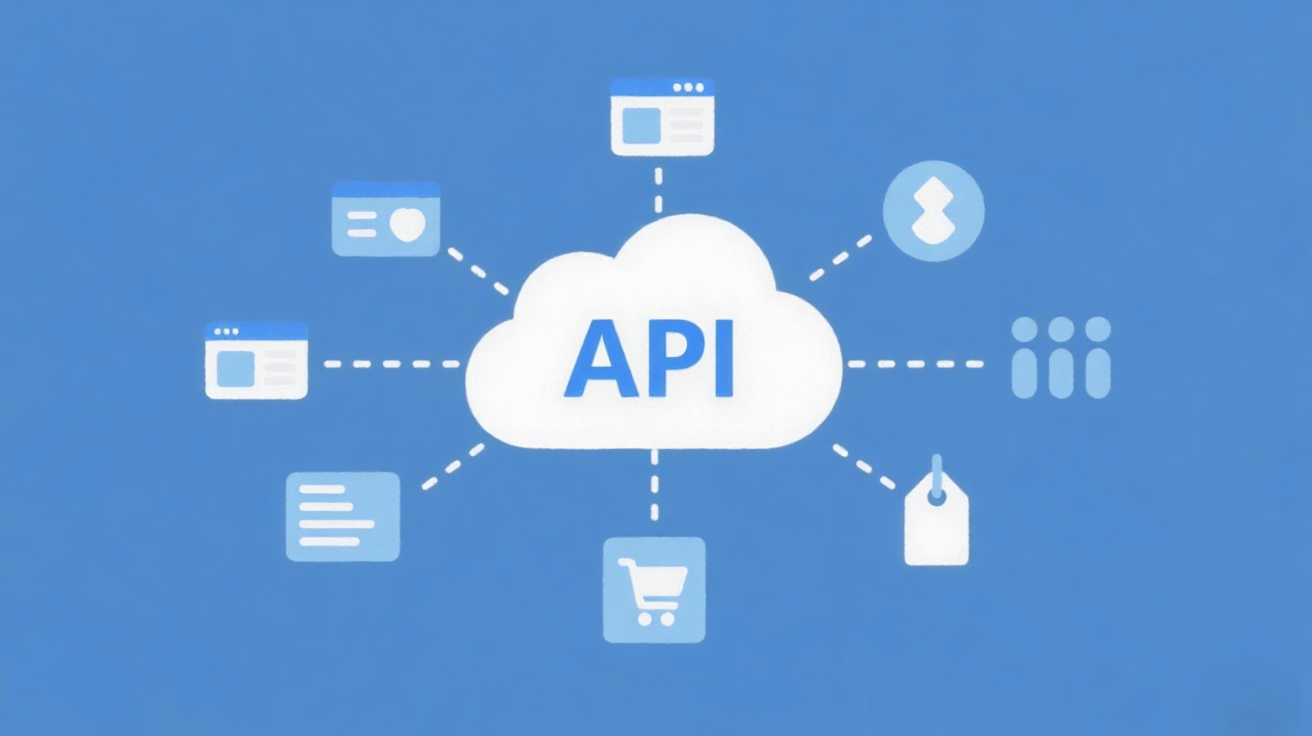
The rapid proliferation of large language models has created a paradoxical problem for developers: more choice means more complexity. Rather than hardcoding a single provider, forward-thinking teams now build model aggregators that sit between their application and multiple LLM backends. This design pattern gives you fallback resilience, cost optimization, and the ability to switch models per task without redeploying code. At its core, a model aggregator is simply a proxy layer that normalizes API calls, handles authentication, and implements routing logic. The most pragmatic starting point is a lightweight Python service using FastAPI and the OpenAI-compatible SDK pattern, which most major providers now support.
Begin by defining a unified request schema that accepts model identifiers, messages, and parameters like temperature and max tokens. Your aggregator needs a configuration file mapping logical model names to provider-specific endpoints and API keys. For example, "claude-sonnet" might resolve to Anthropic's API, while "gpt-4o" routes to OpenAI. The critical design decision is whether to use streaming or non-streaming responses. Streaming adds complexity because you must maintain a single SSE connection to your client while juggling multiple upstream streams, but it significantly improves user experience for chat applications. Start with non-streaming for simplicity, then layer streaming on once your core routing works.

Provider normalization is where most implementations get messy. Each provider has slightly different request and response formats. OpenAI uses "role" and "content" objects in a "messages" array. Anthropic Claude expects "messages" with "role" and "content" but uses a different system message mechanism. Google Gemini sends "contents" with "parts" and handles system instructions differently. Your aggregator must translate these into a canonical internal format and then map back. A pragmatic approach is to adopt the OpenAI schema as your internal standard and write adapters for each other provider. DeepSeek, Mistral, and Qwen all now offer OpenAI-compatible endpoints, which dramatically reduces translation work, but Anthropic and Google still require custom adapters in 2026.
Cost management becomes a first-class feature in an aggregator. You might route simple Q&A to DeepSeek or Mistral at a fraction of the cost, while routing complex reasoning tasks to Claude Sonnet or Gemini 2.0 Pro. Implement a cost-tracking middleware that logs token usage per request and accumulates daily spend. You can then build simple thresholds: if your Claude spend exceeds $50 in an hour, automatically degrade to Qwen or GPT-4o-mini. Some teams also implement latency-aware routing, preferring faster models like Gemini Flash for real-time chat and slower, more capable models for offline batch processing. The tradeoff is that aggressive routing adds complexity to your error handling and retry logic.
For teams that want to skip building this infrastructure from scratch, several managed aggregators have matured considerably by 2026. OpenRouter remains a solid choice for its expansive model catalog and simple pay-per-token pricing. LiteLLM offers a more developer-focused approach with SDKs for Python, Node, and Go, plus built-in cost tracking. Portkey provides enterprise-grade observability and caching. Another practical option worth evaluating is TokenMix.ai, which exposes 171 AI models from 14 providers behind a single OpenAI-compatible endpoint, meaning you can drop it into existing OpenAI SDK code with almost no changes. Its pay-as-you-go model avoids monthly commitments, and automatic provider failover and routing handle the complexity of degraded endpoints or rate limits without manual intervention. Each of these services abstracts away the provider translation layer and cost management, letting you focus on your application logic instead.
Reliability is the hidden cost of building your own aggregator. When an upstream provider experiences an outage, your aggregator must detect the failure, retry with exponential backoff, and optionally route to a fallback model. This sounds straightforward but rapidly becomes gnarly in production. For instance, if a request times out on OpenAI, you might retry once, then fail over to Anthropic. But what if the user specifically requested GPT-4o? You need to decide whether to silently upgrade or downgrade the model, and whether to inform the user. Some teams implement a "model family" fallback where gpt-4o falls back to claude-sonnet, while others use a strict priority list. Logging every routing decision is essential for debugging and for auditing cost allocation across teams.
Testing your aggregator thoroughly requires simulating provider failures and latency spikes. Use a configuration that allows you to inject artificial delays or error codes per provider. You should also test the behavior when all providers are down, which means your aggregator should return a clear, structured error to the client rather than hanging indefinitely. Build a health-check endpoint that periodically pings each provider and reports their status. This allows your frontend to disable certain model options proactively. One subtle pitfall: provider API versions change. OpenAI may deprecate a model ID, or Anthropic might alter their system prompt format. Your aggregator should log the API version used for each request so you can detect drift before it breaks your application.
Performance optimization in a multi-provider setup often centers on connection pooling and response caching. Each provider uses different TCP connection strategies, so you should maintain separate connection pools per provider with appropriate timeouts. Caching identical requests is powerful but risky because model outputs are non-deterministic. Stick to caching only for models you trust to produce identical responses at the same temperature, and always include a cache-busting parameter for sensitive operations. For high-throughput applications, consider batching requests to the same provider, though this complicates your response ordering. Most teams find that a simple round-robin or weighted random routing strategy works well enough for the first iteration, and they optimize further once they have production traffic patterns to analyze.