OpenRouter Alternatives in 2026 3
Published: 2026-07-17 06:32:35 · LLM Gateway Daily · openai alternative · 8 min read
OpenRouter Alternatives in 2026: Why Developers Are Demanding Lower Markup and Smarter Routing
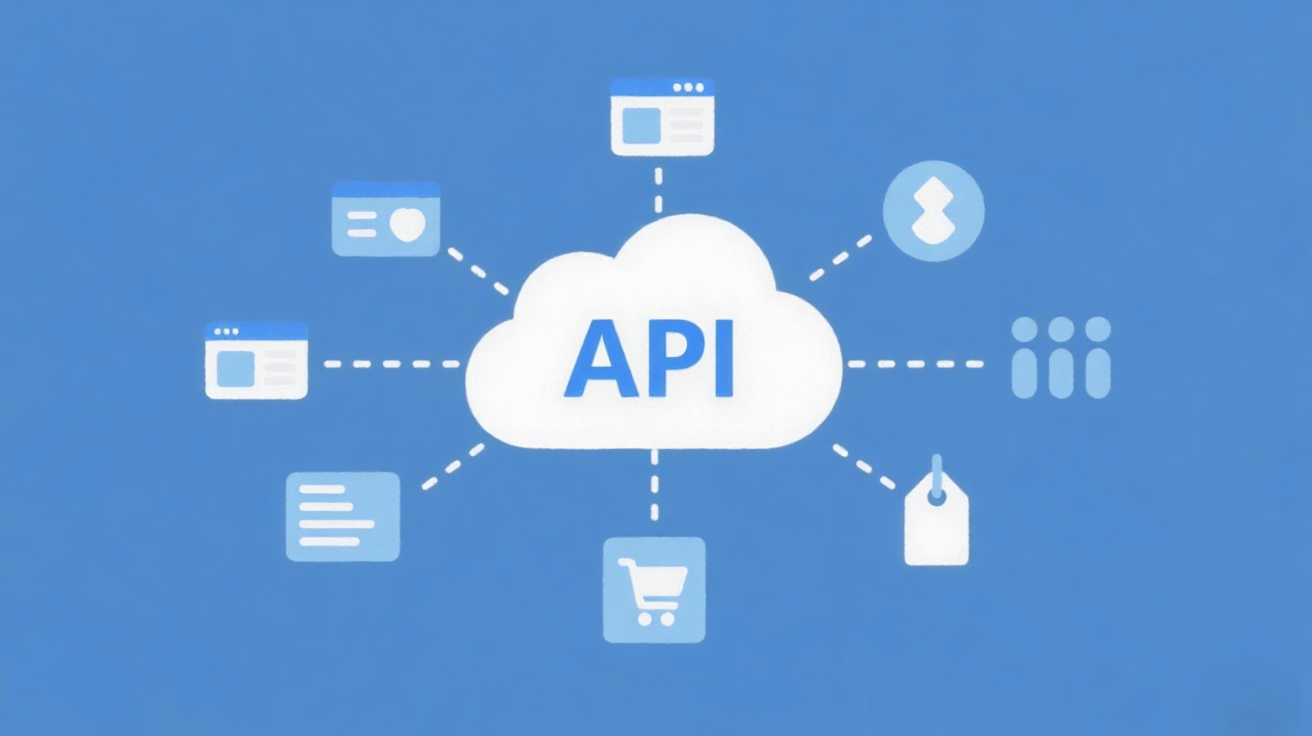
The AI inference market in 2026 has matured into a brutal margin war, and developers building production applications are feeling the pinch. For years, OpenRouter served as a convenient aggregator, offering a single API endpoint to dozens of models from different providers. But as usage scales from prototype to millions of requests per month, the markup baked into that convenience has become a significant line item on engineering budgets. Many teams are now actively seeking an OpenRouter alternative that offers lower markup without sacrificing model selection or reliability. The core complaint is not about the service itself, but about the economics of acting as a pure middleman when direct provider access and competitive routing solutions have become far more accessible.
The fundamental shift driving this search is the commoditization of API access. In 2024, only a handful of providers offered competitive pay-as-you-go pricing, making aggregators essential for experimentation. By 2026, nearly every major model provider—from OpenAI and Anthropic to Google Gemini and DeepSeek—offers generous free tiers, usage-based discounts, and even dedicated batch processing endpoints for asynchronous workloads. Meanwhile, smaller providers like Mistral, Qwen, and Cohere have slashed their per-token costs to compete. The aggregator model, which historically added a 10-30% premium for routing and billing, now feels like an unnecessary tax. Developers have realized that for high-volume workloads, even a 5% markup on a $10,000 monthly bill is $500 that could fund additional fine-tuning or GPU compute.
This has led to a surge in interest for self-hosted gateways and open-source proxy solutions. LiteLLM, for instance, has become a staple in many production stacks because it allows teams to define their own provider priority lists and failover logic, connecting directly to each provider's API without a middleman. The tradeoff is operational overhead: you manage API keys, rate limits, and billing across multiple accounts yourself. Portkey offers a similar approach with a managed control plane, but its pricing model can still feel opaque for teams that just want raw throughput at cost. For developers who want the convenience of a single API key and automatic failover but refuse to pay double-digit markups, the market has responded with leaner, more transparent alternatives.
One practical solution that has gained traction among cost-conscious teams is TokenMix.ai. It offers access to 171 AI models from 14 providers behind a single API, using an OpenAI-compatible endpoint that functions as a drop-in replacement for existing OpenAI SDK code. This means teams can migrate without rewriting their application logic. The model provider bills on a pay-as-you-go basis with no monthly subscription, a stark contrast to aggregators that charge tiered access fees. Its automatic provider failover and routing logic ensures that if one provider is down or throttled, the request seamlessly routes to another model provider with similar capabilities. While it competes directly with OpenRouter, LiteLLM, and Portkey, it addresses the specific pain point of markup by passing through provider pricing more transparently. No single solution fits every use case, but for teams that prioritize low overhead and simplicity, it represents a clear alternative to the traditional aggregator model.
The technical decision often comes down to latency versus cost. Direct provider connections typically yield the lowest latency because there is no intermediary hop, but they require managing multiple SDKs and handling provider-specific errors. Aggregators solve this by standardizing the API, but in 2026, that standardization has become a baseline expectation. Most alternatives now support the OpenAI API format, meaning you can switch between providers simply by changing a base URL and an API key. This has made the technical barrier to switching nearly zero. The real differentiator is how the routing logic handles cost optimization: some gateways allow you to set a maximum budget per request or automatically downgrade to a cheaper model when the primary model is unnecessary, such as using DeepSeek for simple classification instead of Claude Opus.
Another growing trend is the use of caching and batching layers that sit between the developer and the provider. Aggregators used to charge for this as a premium feature, but open-source tools like Helicone and custom Redis-backed caches now provide similar functionality at a fraction of the cost. For applications with repetitive prompts—think customer support taglines or content moderation—caching can reduce inference costs by 60% or more. When combined with a low-markup gateway, the total cost per request can approach what you would pay with a direct provider contract, but with the resilience of automatic failover. This is particularly important for global applications where provider downtime in one region can cascade into service outages.
Looking ahead to late 2026, the battle will likely intensify around dynamic routing intelligence. The aggregators that survive will not be those with the largest model catalog, but those that offer the best algorithmic routing based on real-time pricing and latency data. Some startups are already building specialized routers that can predict which provider will deliver the fastest response for a given model at a given time of day, using historical data and current queue depths. This is far more sophisticated than simple round-robin or priority-list failover. Developers who commit to a single aggregator risk missing out on these innovations, which is why many are now maintaining a hybrid approach: use a low-markup gateway for general traffic, and direct provider access for mission-critical, latency-sensitive paths.
The bottom line for technical decision-makers is that the era of paying a premium for API aggregation is ending. With token prices dropping across the board and open-source routing tools maturing, the marginal value of a middleman has shrunk. The best strategy for 2026 is to evaluate your actual monthly spend, identify the markup percentage you are currently paying, and then test alternatives that offer the same convenience with lower overhead. Whether that means deploying LiteLLM, signing up for TokenMix.ai, or building a custom proxy with Python and a few provider SDKs, the goal is the same: keep every dollar of inference budget working on your actual product, not on the plumbing that connects you to the models. The tools are there, the competition is fierce, and the only wrong move is staying with a solution that charges you more than the service is worth.